Cleaning Services for Property Managers in Miami: What to Look For
Property managers in Miami need cleaning services that handle fast turnovers, multiple units, and tenant-ready standards. Here’s what to evaluate and what to expect.

Property management cleaning in Miami is a different animal from regular residential cleaning. When you’re managing multiple units across multiple buildings, coordinating tenant move-outs, scheduling turnovers on tight timelines, and maintaining occupied units for renewals, you need a cleaning partner who operates at the pace and reliability your business demands.
A cleaning company that’s great for individual homeowners may not be equipped for what property management requires. The volume is different. The timeline pressure is different. The communication expectations are different. And the cost of a cleaning team that doesn’t show up isn’t just an inconvenience — it’s a delayed move-in, a missed lease start, and lost rent.
What Property Managers Need vs. What Homeowners Need
Individual homeowners book cleaning when it’s convenient, reschedule when things change, and evaluate service based on how their home looks when they walk in. The stakes are personal.
Property managers operate differently across every dimension.
Volume. Instead of one home, you’re coordinating cleaning across dozens or hundreds of units. Systems, not personal relationships, drive operations at this scale.
Timeline pressure. Tenant move-out on the 30th, cleaning on the 1st, new tenant move-in on the 3rd. That window is fixed. If cleaning doesn’t happen on schedule, everything downstream shifts — and someone’s paying rent on a unit they can’t access.
Consistency across units. Every unit needs to meet the same standard regardless of which cleaning team handles it. The tenant signing a lease in Unit 204 should see the same quality as the tenant in Unit 1502.
Documentation. Some property managers need before-and-after photos, cleaning checklists, or completion confirmations. This documentation supports security deposit decisions and protects against tenant disputes.
Cost management. Cleaning is a line item in your operating budget. You need predictable pricing, not quotes that vary wildly unit to unit. And you need pricing that makes sense at volume — rates that work for one residential client may not be viable when you’re booking 20 turnovers a month.
Types of Cleaning Property Managers Need
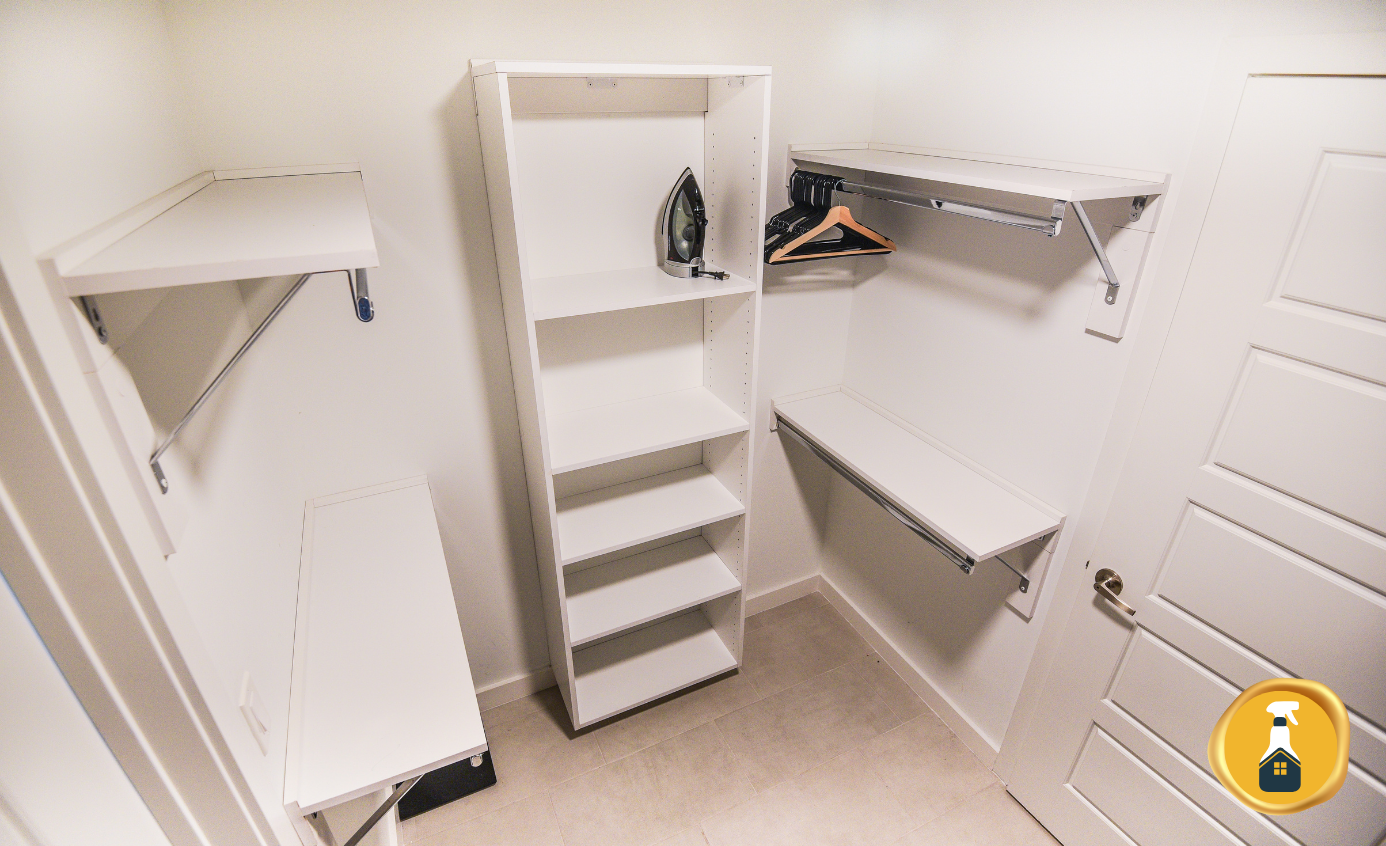
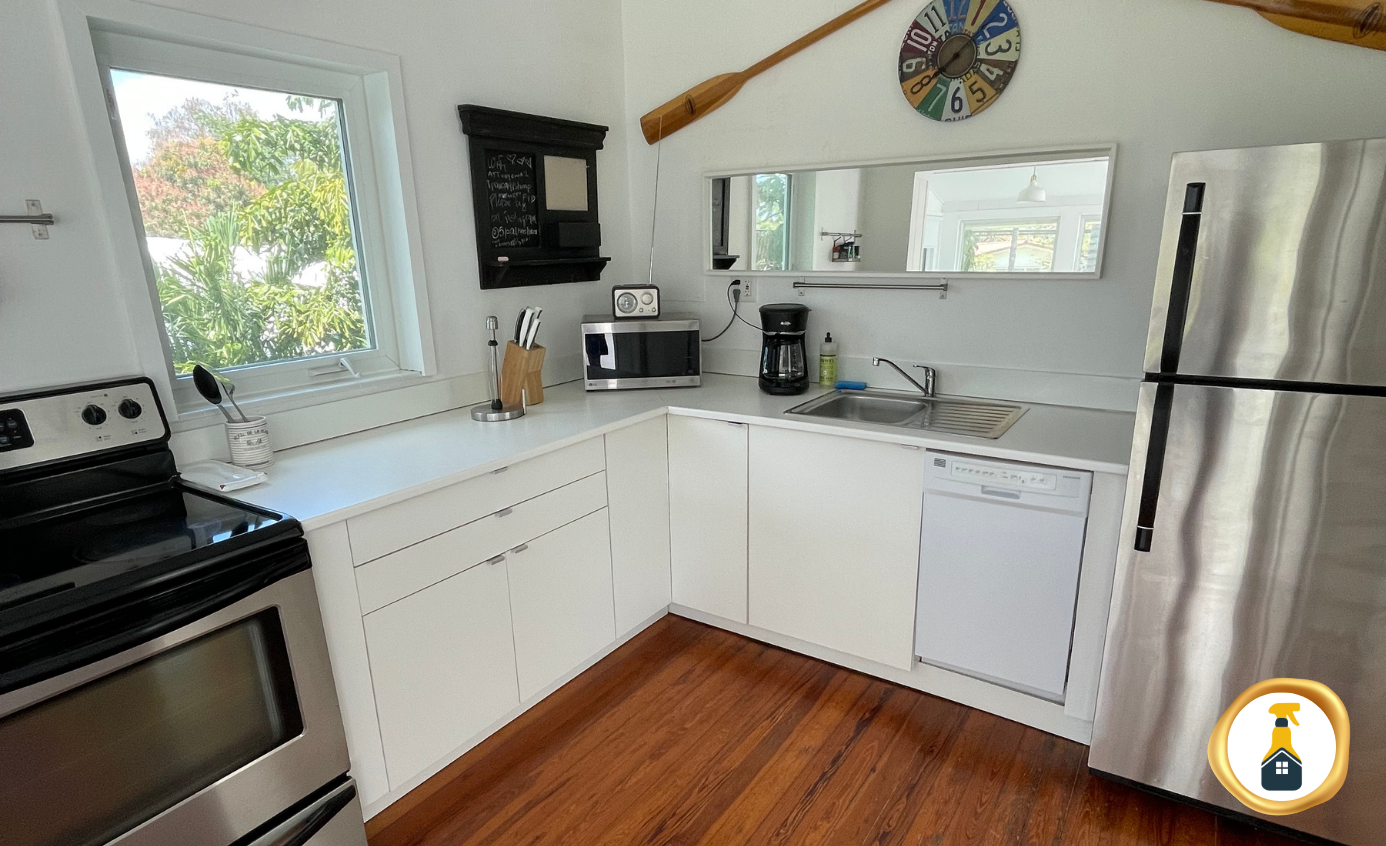
Move-out cleaning. After a tenant vacates, the unit needs thorough cleaning to move-in ready standard. This includes inside all appliances, inside all cabinets and drawers, bathroom deep cleaning, baseboard attention, and everything a new tenant will inspect before signing.
This is your most common and most time-sensitive need. Fast turnaround matters because every day the unit sits empty between tenants is lost revenue.
Move-in cleaning. Some property managers also book cleaning just before a new tenant takes possession, especially if there’s been a gap between move-out cleaning and the new lease start. This freshens the unit and provides a clean baseline for the new tenancy.
Occupied unit maintenance. For tenants who are staying, periodic cleaning maintains the unit’s condition and supports lease renewal. Happy tenants in well-maintained units are more likely to renew, reducing turnover costs.
Common area cleaning. Building lobbies, hallways, fitness centers, and shared spaces need regular cleaning separate from individual units. Not every residential cleaning company handles common areas, so confirm this if it’s part of your needs.
Evaluating a Cleaning Service for Property Management
When you’re choosing a cleaning partner for property management, the evaluation criteria differ from what an individual homeowner would prioritize.
Capacity. Can they handle your volume? If you have 15 turnovers in a month, can they schedule and staff all of them? Ask about team size, scheduling capabilities, and what their maximum weekly capacity looks like.
Reliability. In property management, a no-show isn’t just annoying — it costs money. Ask about their cancellation rate. Ask what happens if their team can’t make a scheduled cleaning. Do they have backup teams? How do they handle emergencies?
Communication. You need a service that confirms bookings, communicates schedule changes proactively, and provides completion notification. Ideally, they have a point of contact dedicated to property management clients rather than routing you through a general customer service line.
Pricing structure. Volume pricing makes sense for property management. Discuss rates based on unit size and service type, with the understanding that consistent volume deserves preferential pricing. Flat rates per unit type (studio, one-bed, two-bed, three-bed) make budgeting predictable.
Documentation capabilities. Can they provide photos of completed cleanings? Checklists? Completion timestamps? This documentation supports your operations and protects against tenant disputes.
Building the Relationship
The best property management cleaning relationships are partnerships, not one-off bookings. Your cleaning partner should understand your portfolio, know your building access protocols, and be able to anticipate your scheduling needs based on lease patterns.
Start with a trial period on a few units. Evaluate quality, reliability, and communication. If the trial goes well, expand the relationship with preferred scheduling and volume pricing.
A reliable cleaning partner is one of the most valuable operational relationships a property manager can have. When cleaning is handled — really handled, not just booked and hoped for — one significant source of management stress disappears.
Stay Informed with Expert Cleaning Advice
View All Blogs















































































Every surface. Every corner. Every detail.
Moving in? Moving out? Switching from an unreliable cleaner? Book online in 60 seconds, call or text (305) 575-2776, or email your questions. We're available Monday through Saturday to deliver the consistent, professional service you deserve.