How Often Should You Deep Clean Your House? A Realistic Guide
Most homes need deep cleaning every 3 to 6 months depending on household size, pets, and lifestyle. Here’s how to figure out the right schedule for your home.

Most homes need a proper deep cleaning every three to six months, with standard cleaning maintaining things in between. That’s the short answer. The longer answer depends on how you live, who lives with you, and what your home is dealing with environmentally.
Deep cleaning is different from the cleaning you do every week or two. Standard cleaning maintains surfaces — wiping counters, vacuuming floors, scrubbing bathrooms at a functional level. Deep cleaning resets the home by addressing everything that standard cleaning manages but doesn’t eliminate: inside appliances, grout lines, baseboards, behind furniture, and the accumulated buildup that develops gradually enough that you stop noticing it.
The question isn’t really whether you need deep cleaning. You do. The question is how often.
Every 3 Months: The Quarterly Schedule
Quarterly deep cleaning works best for households that generate above-average mess or deal with environmental factors that accelerate buildup.
Families with young children. Kids produce mess at a pace that defies physics. Food gets into places it shouldn’t. Bathrooms see more traffic. Playrooms accumulate the kind of grime that regular cleaning barely dents. Every three months, a deep clean catches what daily and weekly maintenance can’t.
Pet owners. Dog and cat hair embeds in upholstery, hides in carpet fibers, and collects behind furniture regardless of how often you vacuum. Pet dander accumulates on surfaces. If you have multiple pets, quarterly deep cleaning is minimum — some pet owners benefit from even more frequent service.
Homes in humid climates. If you live in Miami, coastal Florida, or similarly humid environments, moisture accelerates mildew growth, mold development in grout, and general buildup. The three-month interval stays ahead of what humidity is doing to your bathrooms, kitchen, and any poorly ventilated spaces.
Anyone with allergies or respiratory issues. Dust, pet dander, pollen, and mold spores accumulate between deep cleanings. The Environmental Protection Agency identifies indoor air quality as a significant health concern, and deep cleaning directly addresses the biological and particulate matter that standard cleaning doesn’t fully remove.
Every 6 Months: The Bi-Annual Schedule
A twice-yearly deep clean works for lower-maintenance households with favorable conditions.
Couples or individuals without pets. Less activity means less accumulation. If your home sees light daily use and you maintain standard cleaning weekly or biweekly, six months between deep cleans is often sufficient.
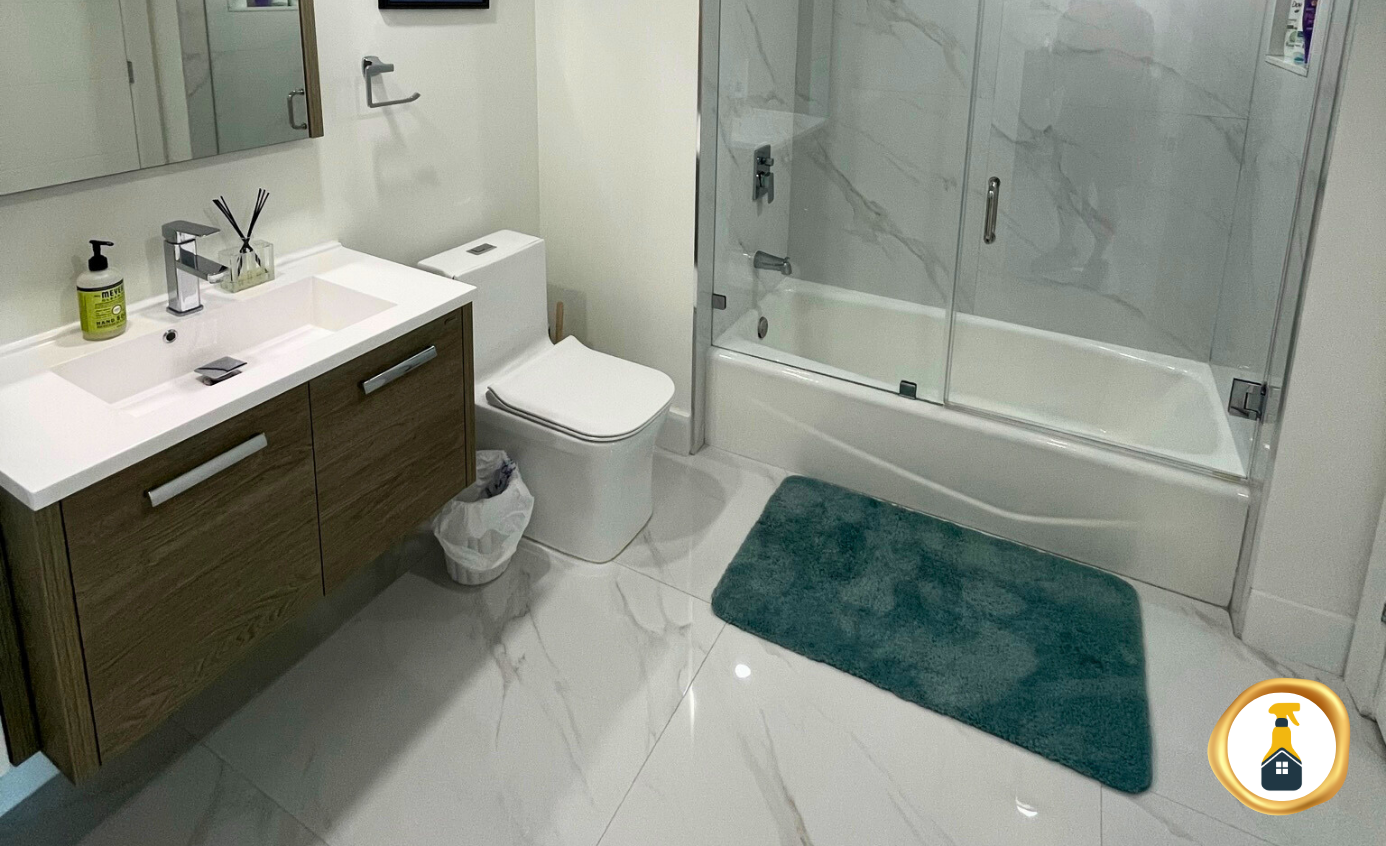
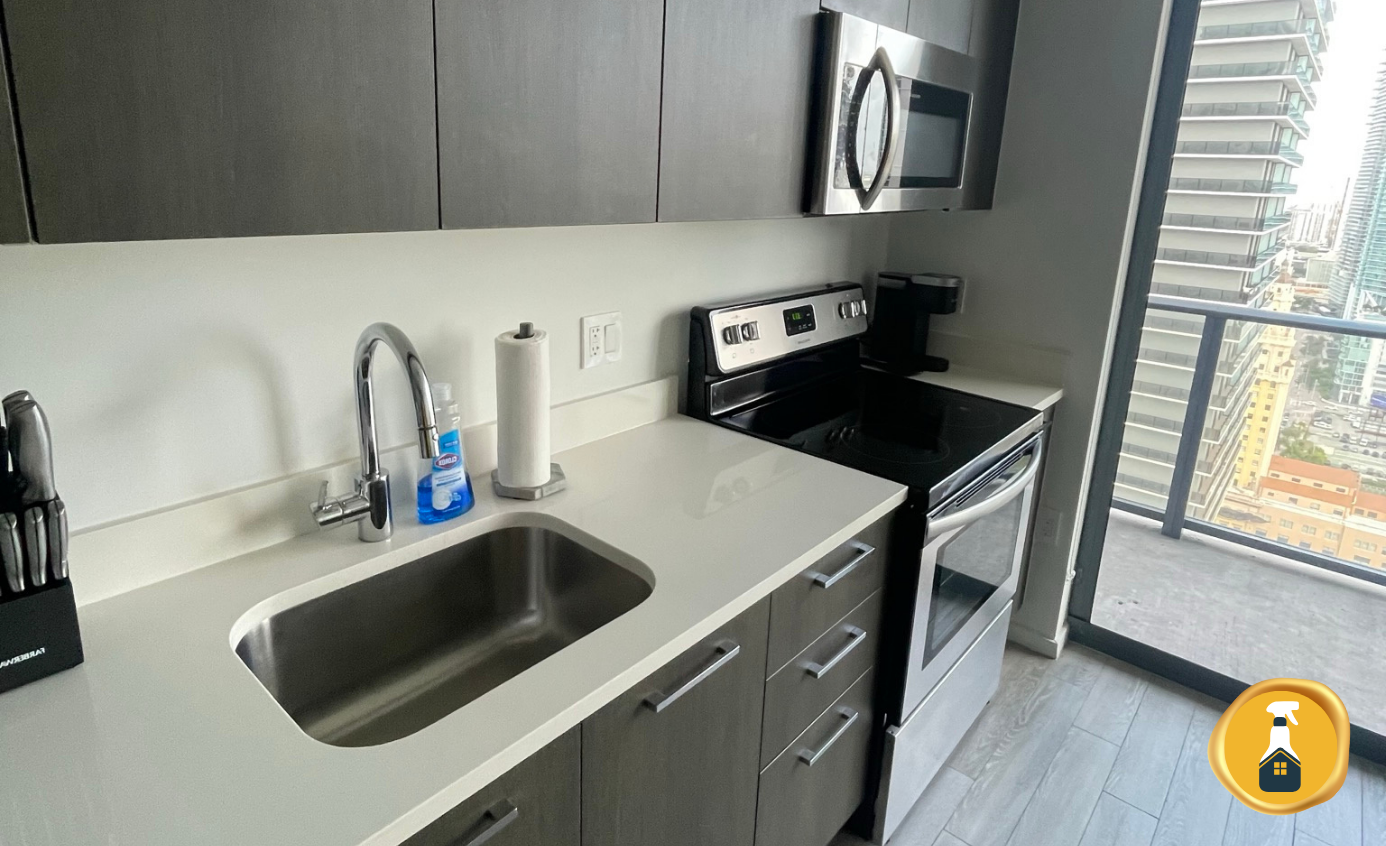
Newer homes with modern materials. Contemporary finishes like quartz countertops, porcelain tile, and sealed surfaces resist buildup better than older, more porous materials. They still need deep cleaning eventually, but the timeline stretches compared to homes with vintage tile or unsealed grout.
Homes in dry climates. Without humidity accelerating mildew and moisture-related buildup, homes in arid environments can go longer between deep cleans.
Signs You’ve Waited Too Long
Your home will tell you when it needs deep cleaning if you know what to look for.
Grout discoloration. If your shower grout or tile grout is noticeably darker than it should be, you’re past due. Grout discoloration from mildew or grime accumulation means standard cleaning isn’t reaching deep enough.
Persistent smells. If your home has a musty smell despite regular cleaning, something is building up where routine service doesn’t reach. Inside the oven, behind the refrigerator, in closets, or in bathroom areas that need deeper attention.
Sticky surfaces. Kitchen cabinet handles and surfaces near the stove develop a tacky film from cooking residue. If you can feel it, standard cleaning hasn’t been removing it completely.
Dust on ceiling fans and light fixtures. Glance at the top of your ceiling fan blades. If there’s visible dust, your regular cleaning isn’t reaching overhead areas, and deep cleaning will address it.
Building Your Schedule
The most effective approach combines regular standard cleaning with periodic deep cleans.
For a typical household, biweekly standard cleaning paired with quarterly deep cleaning keeps things consistently clean. The standard cleaning handles day-to-day maintenance. The deep clean catches everything else before it becomes a visible problem.
If budget is a concern, prioritize the deep cleans. Skipping a standard cleaning here and there is manageable — your home might be a little dusty by the next visit. Skipping a deep clean means buildup compounds, and the next one takes longer and costs more because there’s more to address.
Think of it like car maintenance. Regular oil changes (standard cleaning) keep things running. But you still need a full service (deep cleaning) periodically to address everything the oil change doesn’t cover.
The Bottom Line
Three months for active households with kids, pets, or humidity challenges. Six months for lower-maintenance situations. And pay attention to the signs — your home will tell you when it’s time regardless of the calendar.
Stay Informed with Expert Cleaning Advice
View All Blogs



















































Every surface. Every corner. Every detail.
Moving in? Moving out? Switching from an unreliable cleaner? Book online in 60 seconds, call or text (305) 575-2776, or email your questions. We're available Monday through Saturday to deliver the consistent, professional service you deserve.