How to Prepare Your Home for a Cleaning Service Visit
Preparing your home before a cleaning service visit helps your team work faster and deliver better results. Here’s what to do and what to leave alone.

Preparing for a cleaning service visit doesn’t mean cleaning before the cleaners come — that would defeat the purpose. But a few minutes of preparation helps your cleaning team work more efficiently and deliver better results, which means you get more value from every visit.
Most people overthink this. You don’t need to reorganize your home or apologize for the mess. The cleaning team has seen everything. They’re not judging you. They just need access to surfaces so they can clean them.
The Five-Minute Prep That Makes a Real Difference
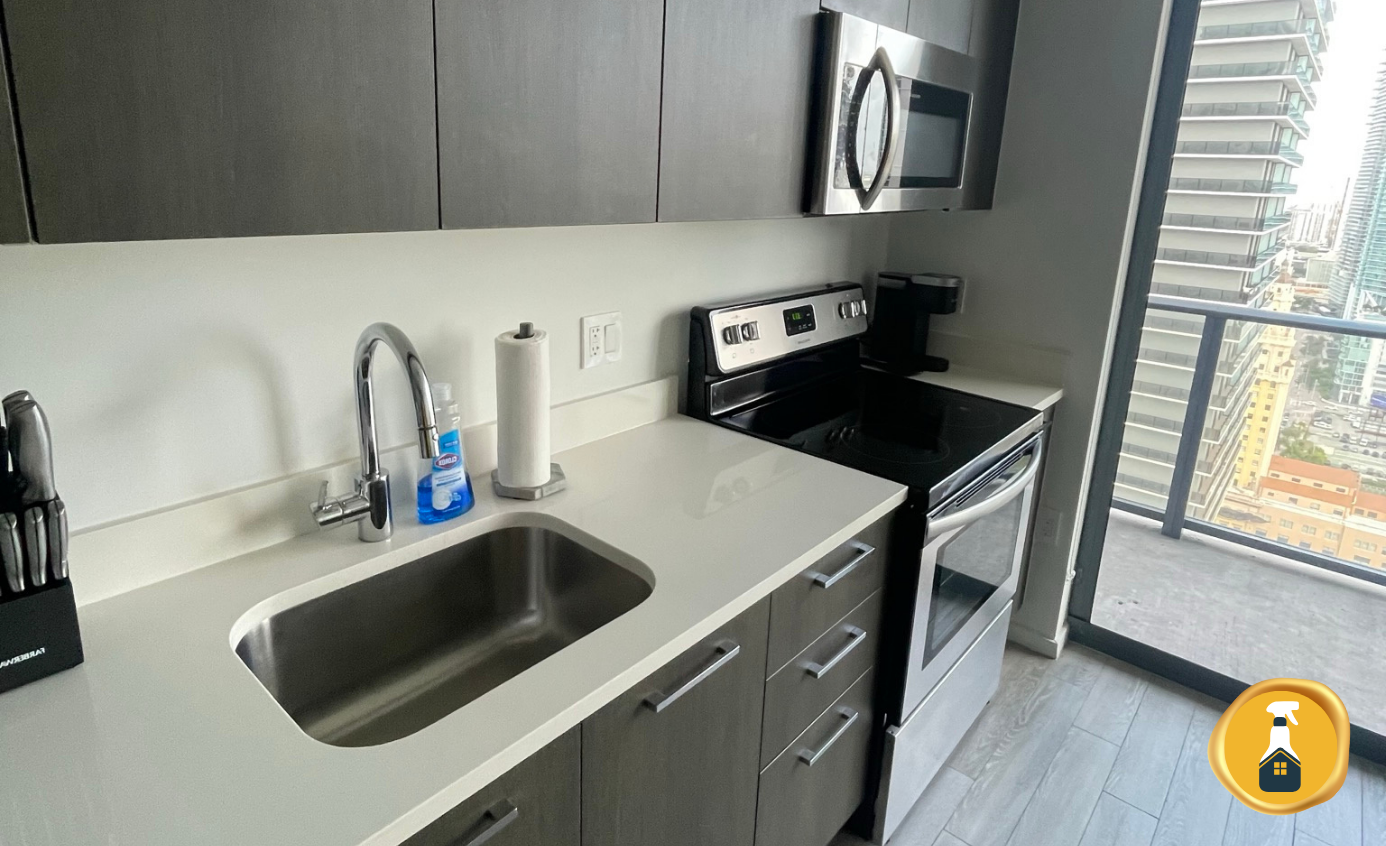
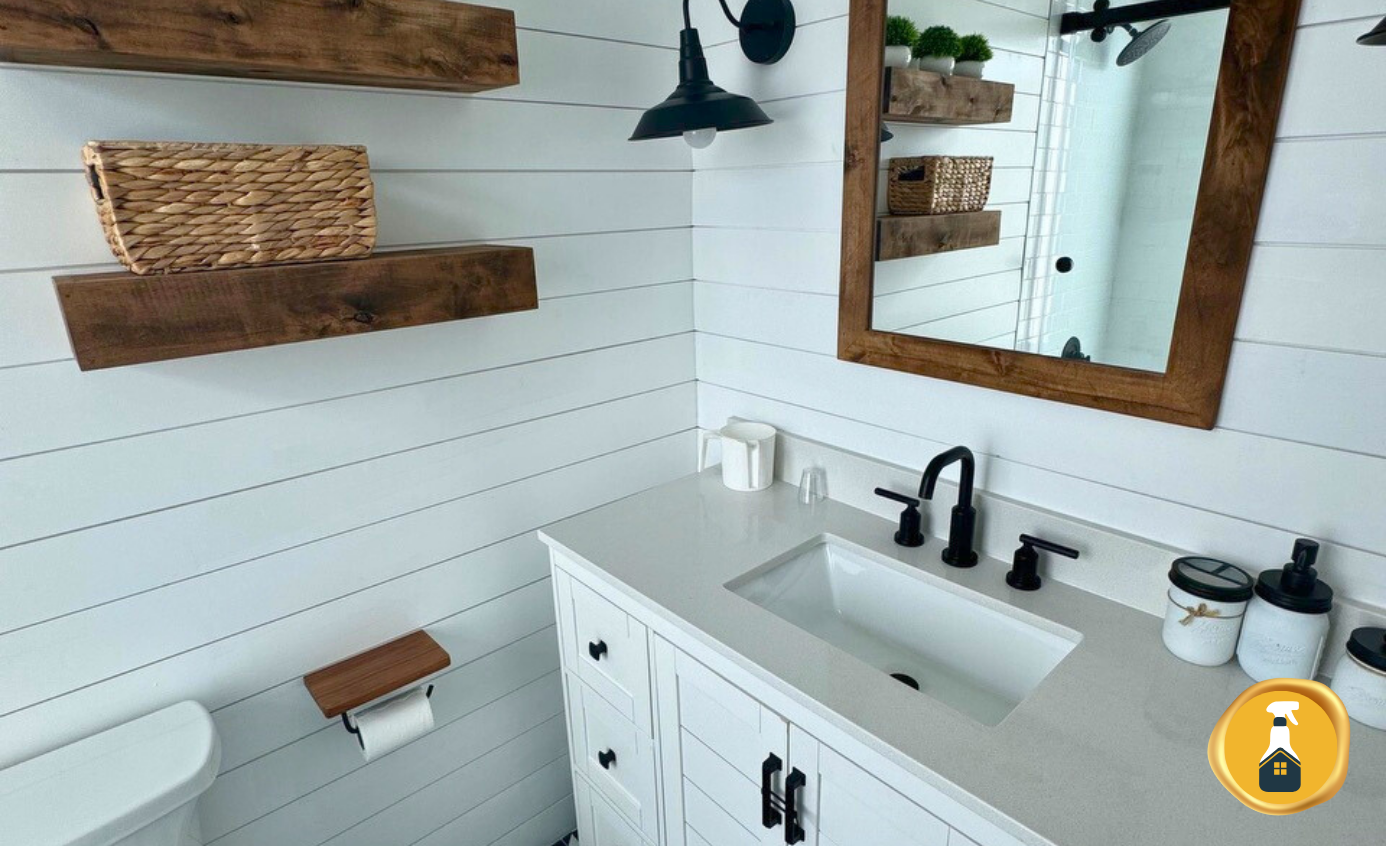
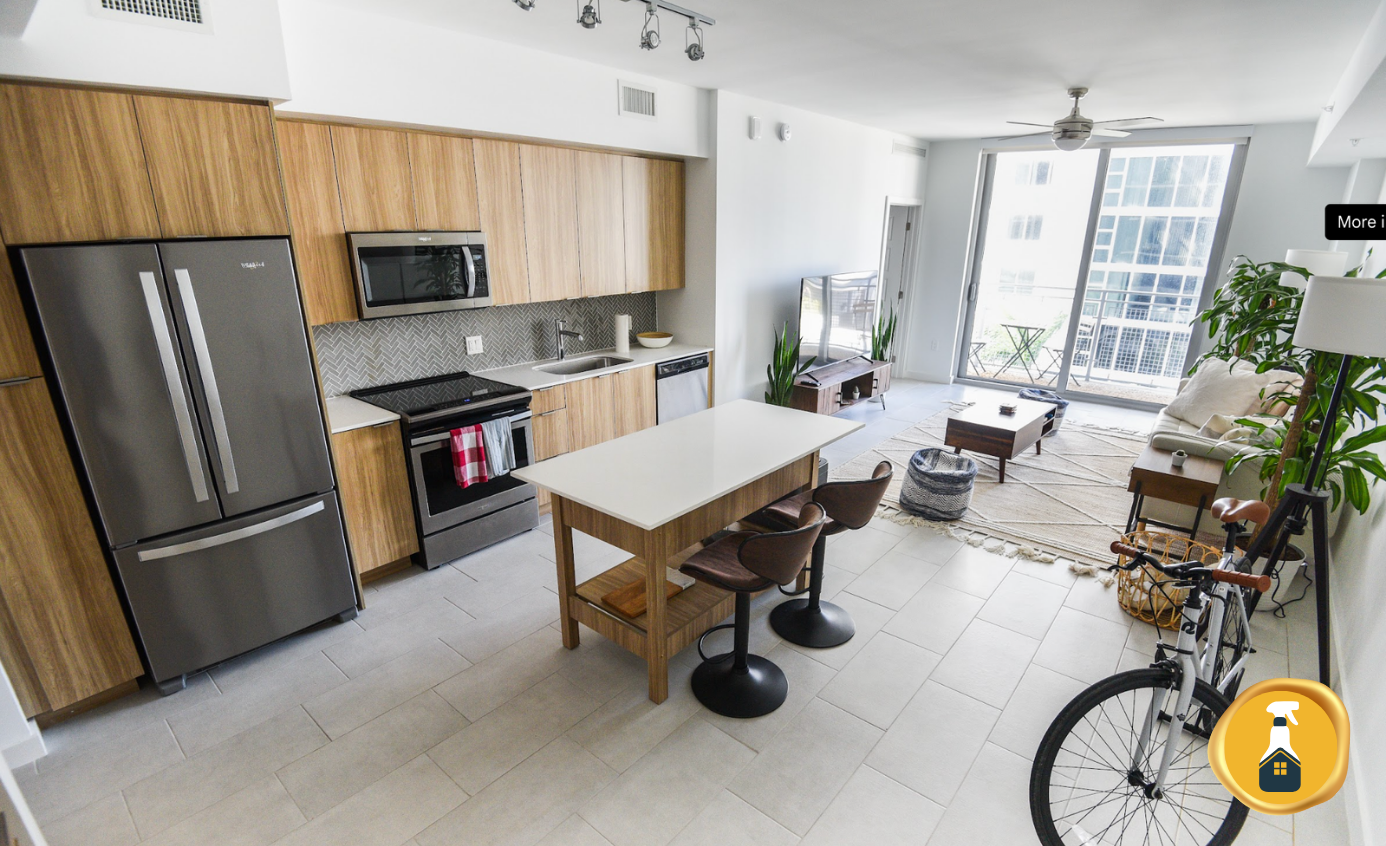
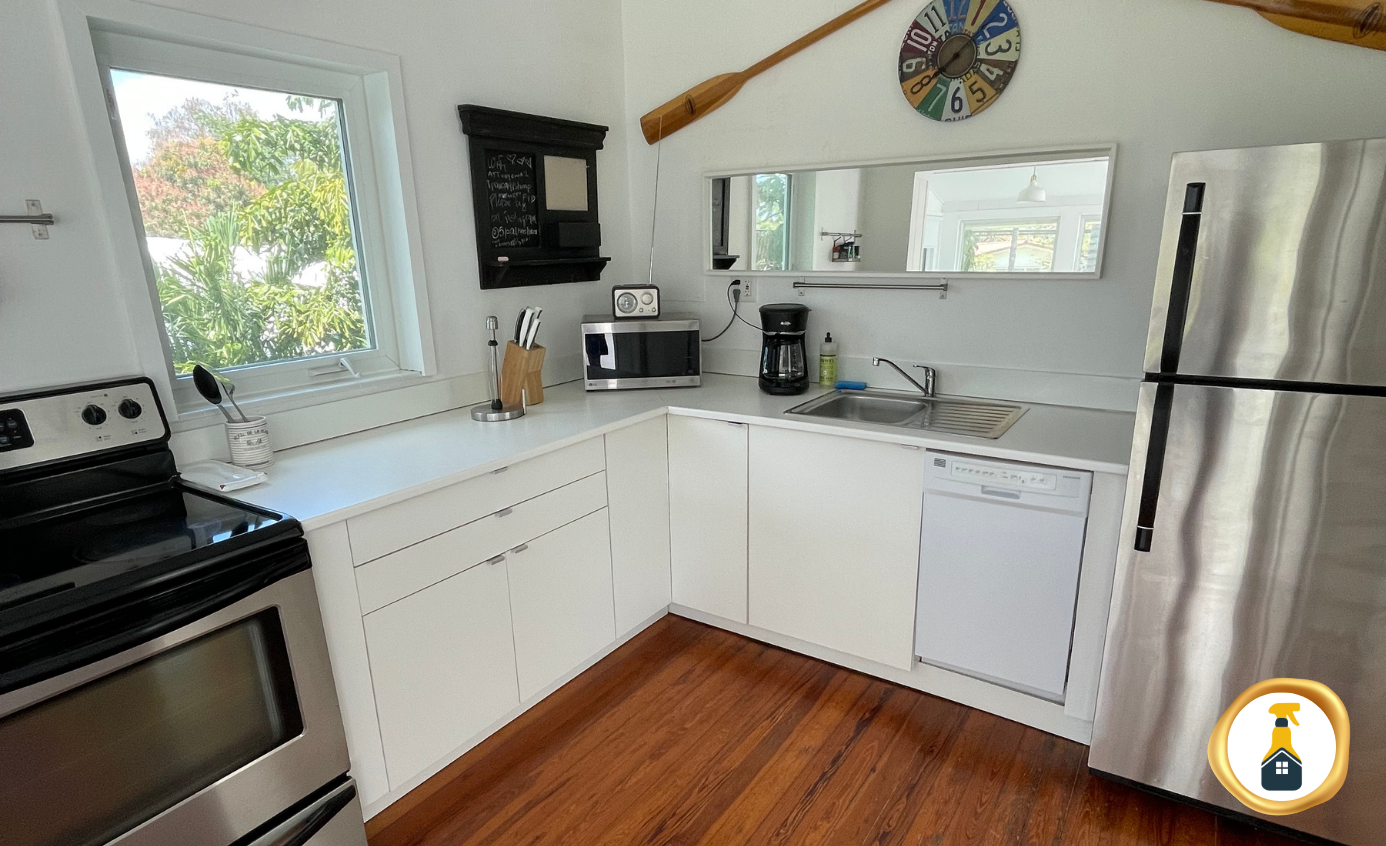
Clear countertops. Kitchen counters covered with mail, appliances, and random items mean the cleaning team cleans around those objects instead of cleaning the surface properly. Take five minutes to consolidate items and clear as much counter space as possible. Same goes for bathroom vanities.
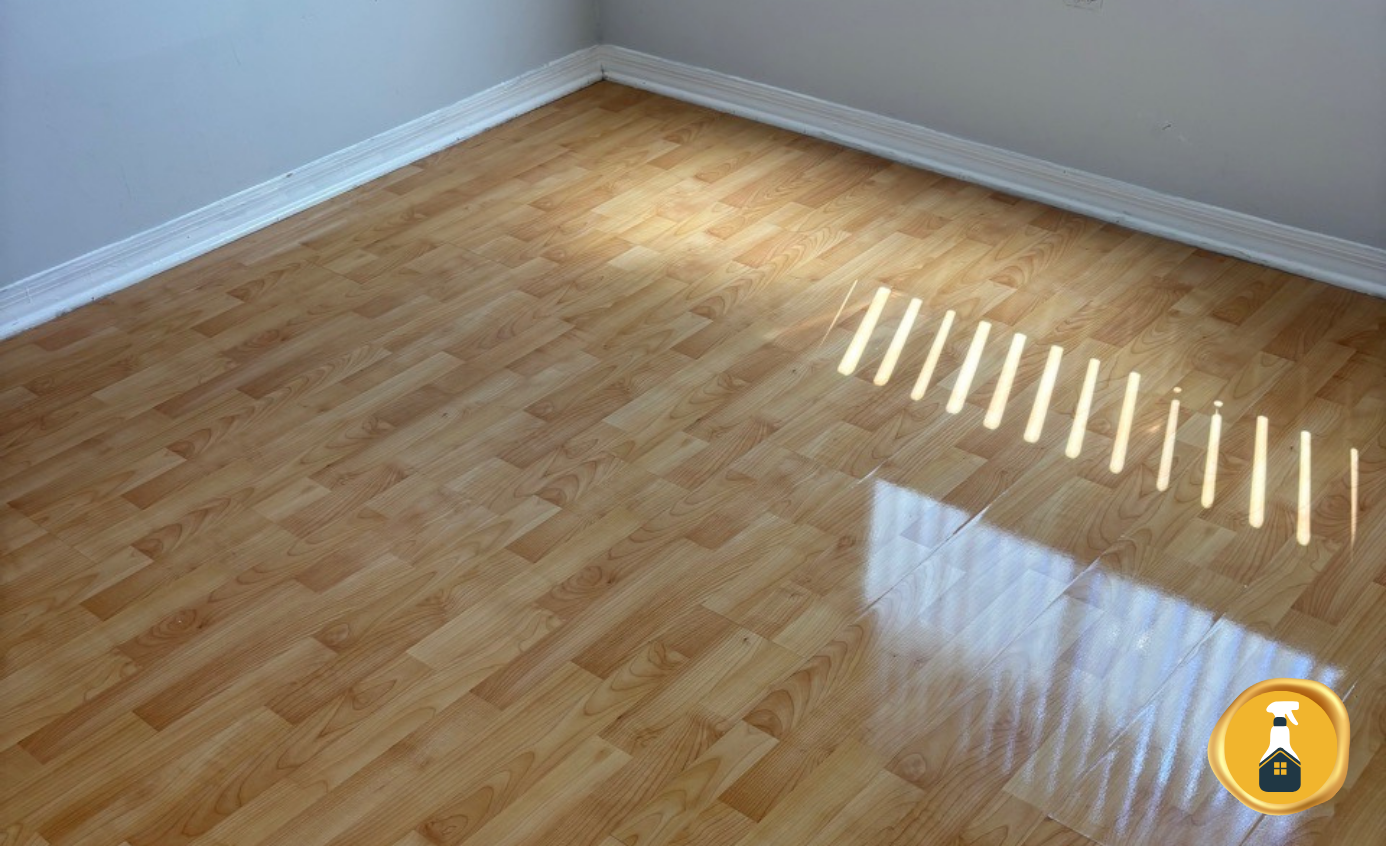
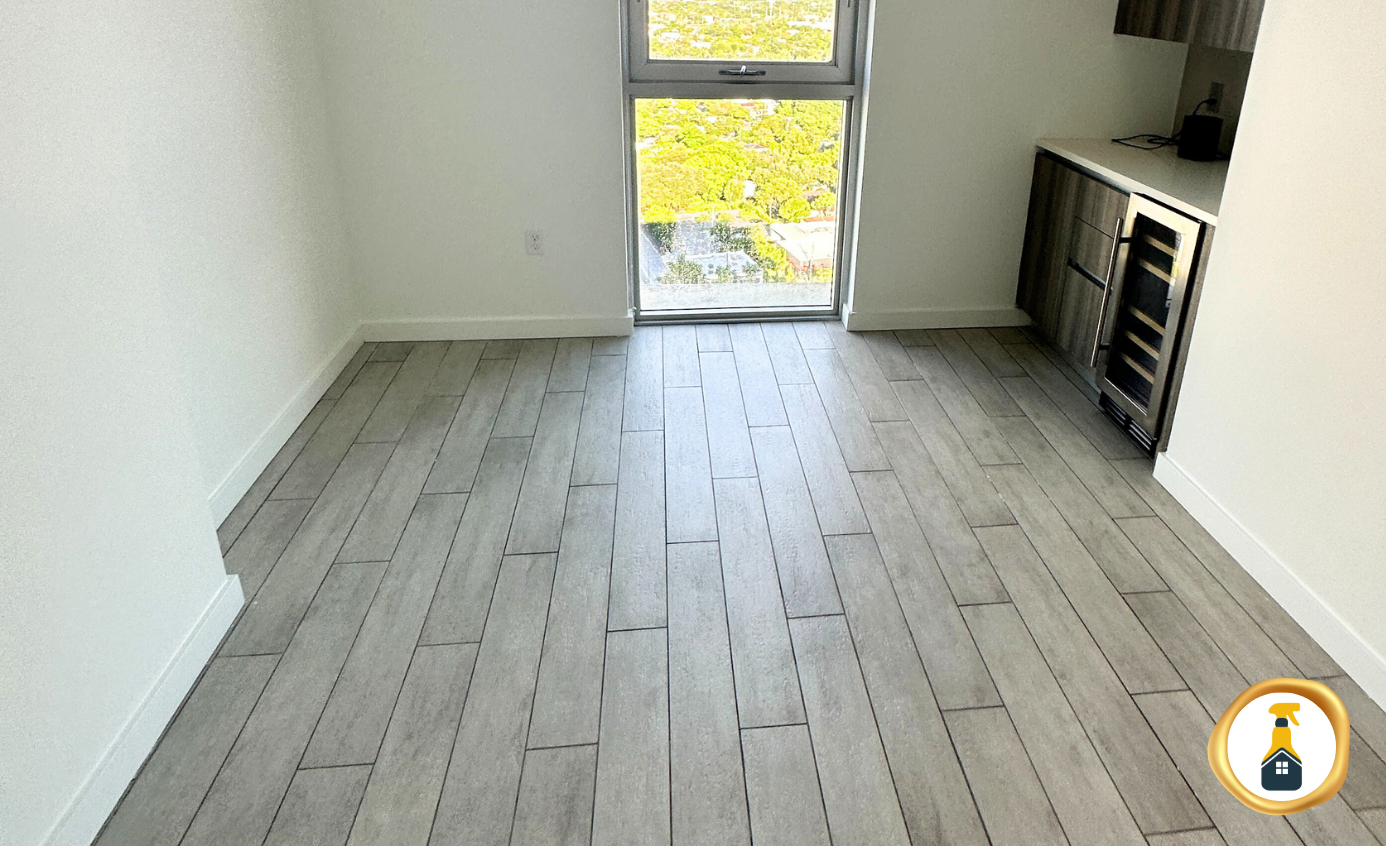
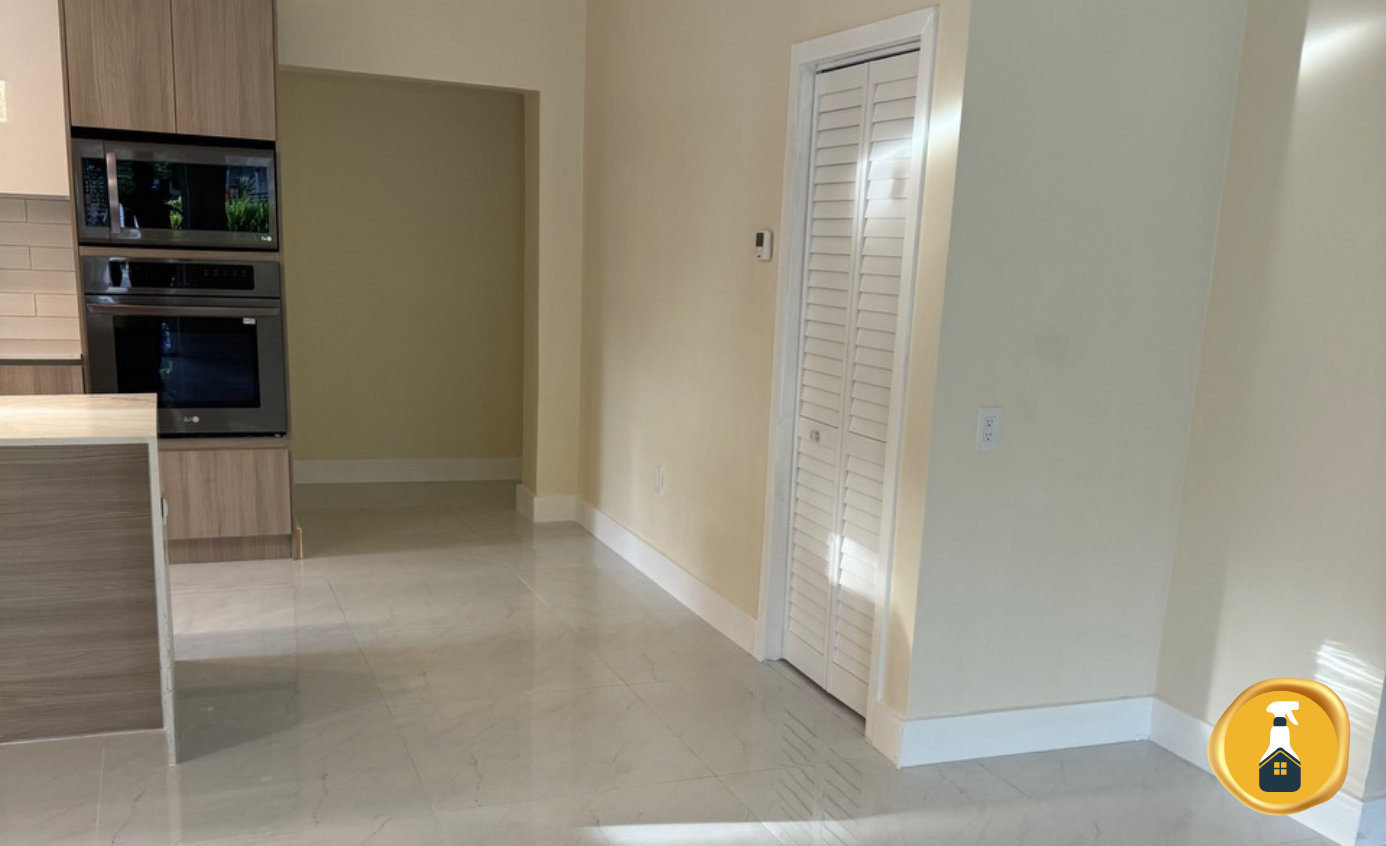
Pick up floors. Shoes, toys, clothes, dog toys, charging cables — anything on the floor is something the cleaning team has to work around. A quick pickup of floor-level clutter lets them vacuum and mop thoroughly rather than navigating obstacles.
Handle dishes. A sink full of dishes is a surface the cleaning team can’t clean. Load the dishwasher or stack dishes somewhere before they arrive. The team will clean your sink and counters, but washing your dishes isn’t typically part of the service.
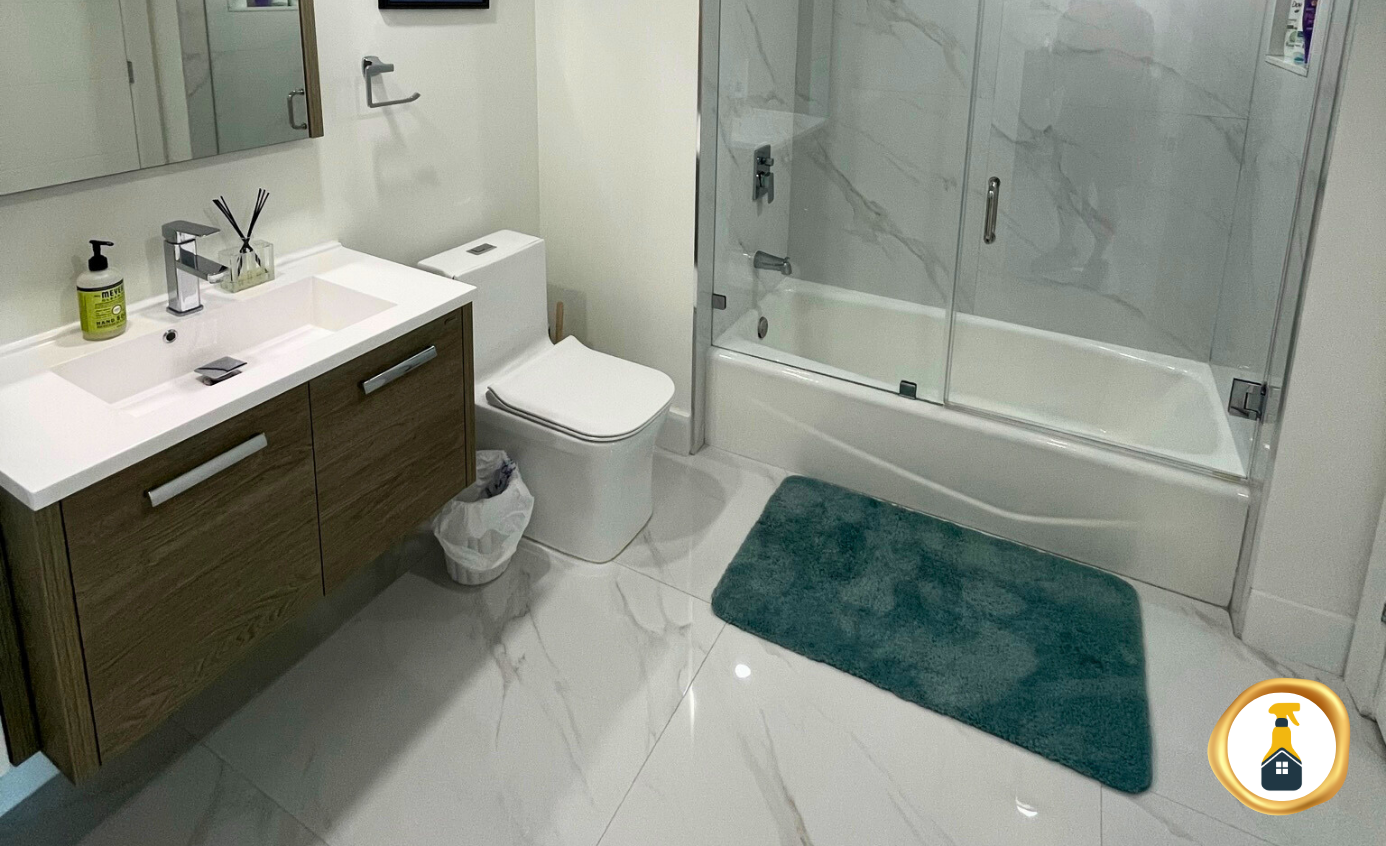
Close toilet lids. This one is purely practical. Open toilets slow bathroom cleaning and create splash risk when cleaning nearby surfaces.
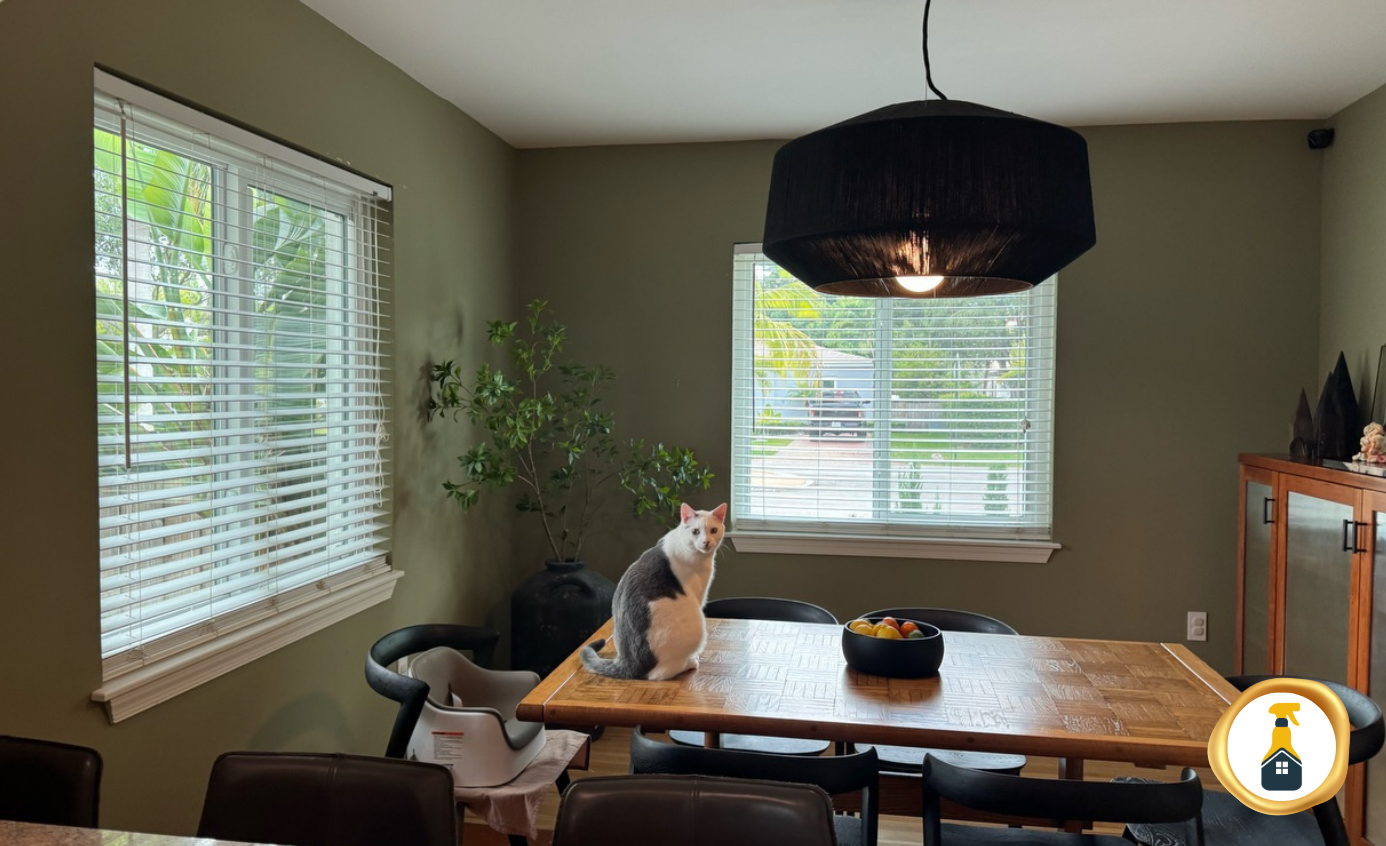
Secure pets. Most cleaning teams work well around pets, but it helps to know the plan in advance. If your dog is anxious around strangers, consider a separate room or a walk during the visit. If your cat hides under the bed, let the team know so they don’t accidentally let them out.
What Not to Do
Don’t pre-clean. The team is there to clean. If you’ve already wiped every counter and scrubbed the bathroom, you’re paying for a service you’ve partially done yourself. Leave the cleaning to the professionals.
Don’t apologize for the mess. Cleaning teams clean messy homes — that’s the job. Apologizing creates awkwardness and wastes everyone’s time. They’ve seen worse than whatever you’re embarrassed about. They’ve also seen better. They don’t care either way.
Don’t hover. A walkthrough at the start to point out priorities is helpful. Then let the team work. Watching over their shoulder makes people nervous, slows them down, and doesn’t improve results. If you’re working from home, close your door and let them do their thing.
Don’t rearrange right after. If the team puts your kitchen towels in a different spot than usual, mention it for next time rather than immediately rearranging. Over a few visits, a consistent team learns your preferences without you micromanaging.
Communicating Priorities
Every home has areas that matter more to the owner than others. Some people are obsessive about the kitchen. Others care most about the bathrooms. Some want the floors perfect.
Tell your cleaning team what matters to you, especially during the first few visits. They’ll allocate time and attention based on your priorities rather than their default checklist. This is one of the biggest advantages of recurring service with a consistent team — they learn what you care about.
If something changes week to week, a quick note or text before the visit helps. “The kids had friends over this weekend — kitchen needs extra attention” gives the team useful context.
Access Instructions
Make entry as simple as possible for your cleaning team.
Key or code access eliminates the need for you to be home. Most recurring clients provide a key, a door code, or a smart lock code so the team can access the home independently. This lets you be at work, running errands, or anywhere else during the cleaning.
Building protocols in condos require advance coordination. Make sure your team is registered with the front desk or security. Provide any building-specific instructions: which elevator to use, where to park, whether they need to check in.
Pet instructions should be consistent. If the dog needs to be in the crate, put them there before the team arrives or leave clear instructions. If the cat needs a specific door kept closed, note it prominently.
Setting Up for Long-Term Success
The best cleaning service relationships are the ones that become invisible. The team comes, does their work, and you come home to clean. No drama, no management, no thinking about it.
Getting there requires a few visits of calibration. The first visit is always a learning experience — for both sides. By the third or fourth visit, a good team has adapted to your home, your preferences, and your routine.
Give feedback early. If something isn’t right, say so constructively. Good teams want to know. They’d rather adjust now than have you quietly dissatisfied for months before switching services.
And if the service is good? Say that too. A “the house looked great, thank you” goes a long way with people who work hard and often don’t hear it.
Stay Informed with Expert Cleaning Advice
View All Blogs





























































Every surface. Every corner. Every detail.
Moving in? Moving out? Switching from an unreliable cleaner? Book online in 60 seconds, call or text (305) 575-2776, or email your questions. We're available Monday through Saturday to deliver the consistent, professional service you deserve.