How to Get Rid of Mildew in Your Miami Bathroom (And Keep It Gone)
Miami’s humidity makes bathroom mildew almost inevitable. Learn how to remove it, prevent it from returning, and when professional cleaning makes more sense than DIY.
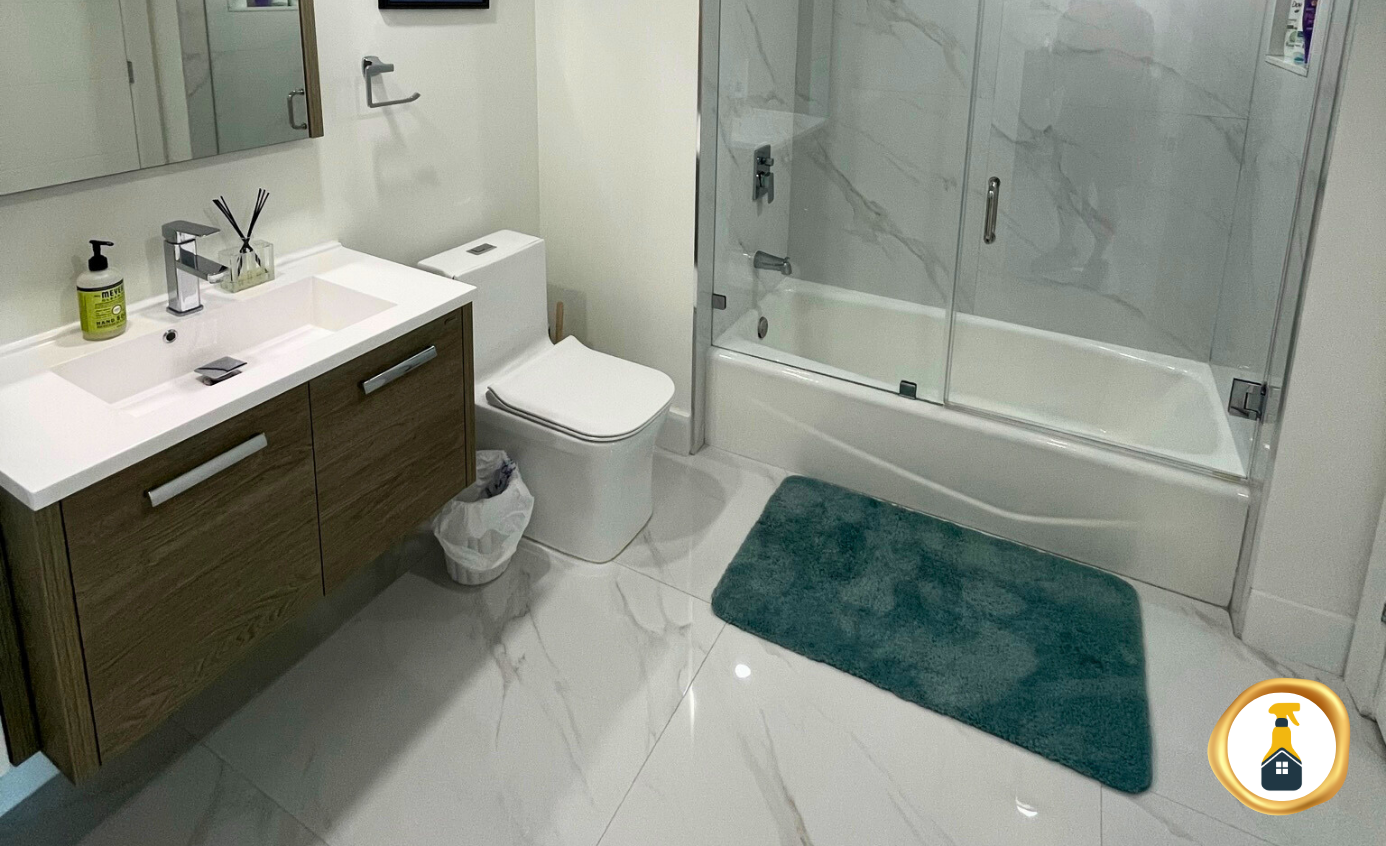
If you live in Miami and your bathroom doesn’t have at least a trace of mildew somewhere, you’re either extremely diligent about prevention or you just haven’t looked closely enough. Miami’s year-round humidity, averaging around 75 percent, creates the exact conditions mildew needs to thrive: moisture, warmth, and organic material to feed on. Your bathroom provides all three in abundance.
Mildew isn’t just an aesthetic problem. It’s a biological one. Those dark spots on your grout, the pink film in your shower, and the musty smell coming from behind the vanity are living organisms that spread if left unchecked. In small amounts, mildew is a nuisance. In larger concentrations, it can affect air quality and potentially trigger allergic reactions or respiratory irritation.
The good news is that bathroom mildew is manageable with the right approach. The bad news is that in Miami, it’s a perpetual battle rather than a one-time fix.
Understanding What You’re Dealing With
What most people call “mildew” in their bathroom is typically one of several things.
Surface mildew. The most common variety. This appears as dark spots or patches on grout, caulking, shower walls, and anywhere moisture lingers. It sits on the surface and can be removed with appropriate cleaning products and scrubbing.
Pink mold (actually a bacteria called Serratia marcescens). That pinkish film that appears around drains, on shower curtains, and on soap dishes isn’t mold at all — it’s a bacterial colony that thrives in damp environments. It’s harmless for most people but unsightly and a signal that your bathroom stays too moist.
Black mold (Stachybotrys or similar). If you see extensive black growth that appears fuzzy or slimy, especially on drywall, ceiling tiles, or behind walls, this may be a more serious mold issue that requires professional remediation rather than cleaning. If the growth area exceeds a few square feet or you notice a strong musty odor from walls or ceilings, consult a mold remediation professional before attempting DIY cleaning.
For typical bathroom mildew — the spots on grout and caulking that most Miami residents deal with — cleaning and prevention are within homeowner and cleaning service capability.
Removing Existing Mildew
On tile grout: Apply a bathroom mildew cleaner or a paste of baking soda and water directly to affected grout lines. Let it sit for 10 to 15 minutes to penetrate. Scrub with a stiff grout brush — old toothbrushes work for small areas. Rinse thoroughly.
For stubborn grout mildew that doesn’t respond to standard cleaning, hydrogen peroxide (3% solution) applied and left for 15 minutes can help. Avoid using bleach on colored grout as it can lighten the color unevenly.
On caulking: If mildew has penetrated caulking, cleaning may not fully remove the discoloration because mildew grows into the porous material. Surface cleaning improves appearance, but if caulking remains discolored after thorough cleaning, replacement is the proper fix. Recaulking a tub or shower costs $100 to $200 professionally and provides a fresh, mildew-free start.
On shower doors and glass: Mildew on glass surfaces and door tracks responds well to standard bathroom cleaning. The challenge is the tracks and seals where moisture collects. Pull back rubber seals and clean behind them. Use a stiff brush in door tracks.
On shower curtains: Fabric shower curtains can go in the washing machine with a splash of white vinegar. Plastic liners are cheaper to replace than to clean thoroughly.
Preventing Mildew From Returning
Removal without prevention is a cycle you’ll repeat monthly. Prevention in Miami requires active management because the climate works against you.
Ventilation is your primary defense. Run your bathroom exhaust fan during every shower and for at least 20 to 30 minutes after. If your fan doesn’t seem to pull much air, it may need cleaning (the cover collects dust that reduces airflow) or replacement. The fan should be rated for your bathroom’s square footage.
If you don’t have an exhaust fan, crack a window during and after showers. Some Miami bathrooms have neither fan nor window — these bathrooms will always struggle with mildew and need more aggressive cleaning frequency.
Squeegee after showering. Taking 30 seconds to squeegee shower walls and glass after each use removes the water that mildew needs to grow. This single habit makes the biggest difference in mildew prevention.
Address standing water. Anywhere water pools is a mildew invitation. Shower floors that don’t drain completely. Soap dish bottoms. The area around the faucet base. Wipe these dry regularly.
Air circulation. Leave the bathroom door open when not in use to let air circulate. A closed, dark bathroom with residual moisture is a mildew incubator.
Keep grout sealed. Sealed grout resists moisture penetration, which reduces mildew’s ability to take hold. Grout should be resealed annually in Miami bathrooms, or as recommended by your tile and grout cleaning service.
When to Call Professional Help
If you’re cleaning bathroom mildew monthly and it returns at the same pace every time, the cleaning approach alone isn’t solving the problem. Professional tile and grout cleaning goes deeper than consumer products, and professional grout sealing provides longer-lasting protection.
Regular professional bathroom cleaning — weekly or biweekly — as part of your house cleaning service keeps mildew from establishing in the first place. Catching early mildew development during routine cleaning is dramatically easier than addressing entrenched growth.
For extensive mold beyond surface mildew — growth on drywall, behind walls, or in ceiling cavities — a professional mold assessment is appropriate. This goes beyond cleaning into remediation territory.
Living With Miami Humidity
You’re not going to eliminate humidity in Miami. And you’re not going to prevent every spore of mildew from appearing in your bathroom. The goal is management — keeping mildew to a minimum through consistent ventilation, regular cleaning, and occasional professional deep attention.
Think of it as maintenance rather than a battle to win. Your bathroom exists in a subtropical environment. Mildew is what that environment produces in enclosed, wet spaces. Managing it effectively means your bathroom stays clean, smells fresh, and doesn’t develop the chronic issues that lead to expensive repairs.
Good ventilation, quick moisture removal, regular cleaning, and periodic professional grout treatment. That’s the formula. It works in Miami’s humidity as well as anything can.
Stay Informed with Expert Cleaning Advice
View All Blogs






























































Every surface. Every corner. Every detail.
Moving in? Moving out? Switching from an unreliable cleaner? Book online in 60 seconds, call or text (305) 575-2776, or email your questions. We're available Monday through Saturday to deliver the consistent, professional service you deserve.